


When it comes to wine, age sometimes gets too much attention. Be it the age of the vines, the vintage or the time in oak, not every wine benefits equally from extra maturity.
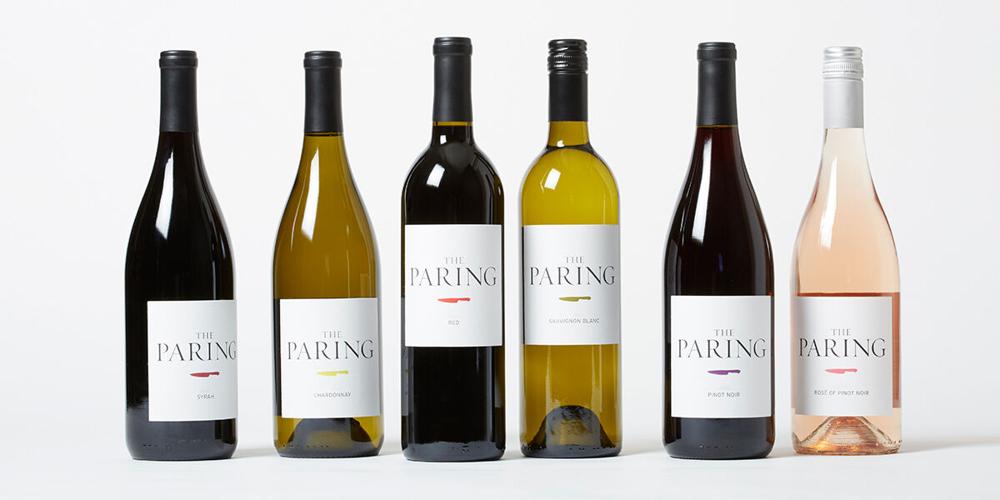
That’s the idea behind The Paring (without an “i”), a portfolio of wines from two respected estates in California's Santa Barbara County. The name is a reference to the precision of a paring knife, like the implement used to harvest bunches of grapes from the vine.
These particular grapes come from vineyard blocks that are deemed to be too young to produce the acclaimed wines that are regular products from Jonata and The Hilt, the aforementioned Santa Barbara estates.
Matt Dees is the winemaker for both Jonata and The Hilt, and he has scoured the vineyards to discover younger wines or grapes that exhibit unique stylistic characters. The result of his efforts is the new Parings line, which includes chardonnay, sauvignon blanc, rosé, Pinot Noir, Syrah and a Bordeaux blend of 50 percent cabernet sauvignon, 20 percent cabernet franc, 20 percent merlot and 10 percent petit verdot.

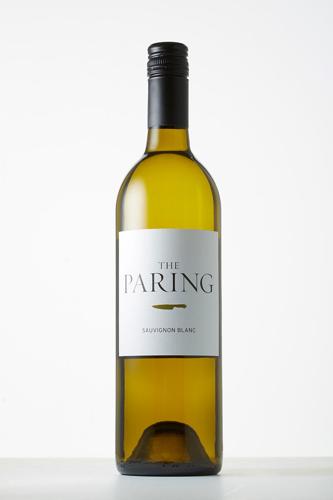
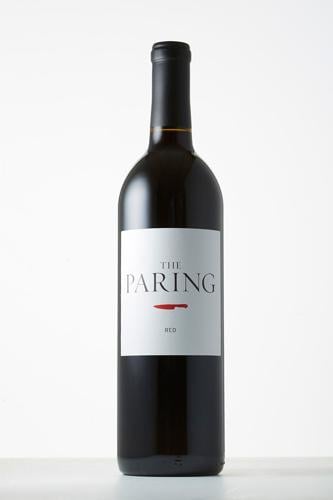
I received samples of the sauvignon blanc and the Bordeaux blend, which are both distributed to Middle Tennessee, but admittedly not widely. While I always encourage purchasing from your favorite local retailer, this is one of those cases where direct purchase from the winery might be more convenient if you want to try these out yourselves.
At a suggested retail price of $25 per bottle, The Paring wines are right in my purchasing wheelhouse, and I found both of the wines to be worth your attention at that price point. For a 2020 vintage, the sauvignon blanc offers a surprising complexity. Aged in a combination of new French oak, neutral French and in steel tanks, the wine offers a subtle vanilla character that combines nicely with the citrus notes of lemon and gently gives way to a nice food-friendly acidity during the relatively short finish. Not as vegetal as many of the New Zealand sauv blancs that dominate the market, it’s nice to encounter a more French-style version of the varietal coming out of California.

The red blend is also a bargain at $25, and the current release of the 2017 vintage has benefited from almost two years in a blend of new and neutral French oak. As opposed to the sauvignon blanc, the Bordeaux blend does exhibit herby notes on the first sniff, followed by a whiff of coffee and chocolate. If you think that a wine has to be old and expensive to exhibit interesting tight tannins, this will be an affordable surprise.
Indeed, The Paring red blend does show off some dusty tannins you’d expect from a much bigger cab, with the main difference being that it didn’t evolve quite as much in the glass over time like you’d expect from a hundred dollar bottle. That’s fine with me because wine usually doesn’t last long enough in my house to open up much between when the bottle is uncorked and the last drop is consumed. (What can I say? We’re old. We go to bed early and can’t wait around for three hours of change in the glass.)
I do believe that this medium-bodied wine could benefit from a few more years in the cellar, and at that price, you can probably afford to buy a case and try a bottle every six months or so to see how it’s evolving. Notice I said “you.” My cellar is just the bottom shelf of my wine fridge, and we need the room!



Post a comment as anonymous
Report
Watch this discussion.
(0) comments
Welcome to the discussion.
Log In
Welcome to the discussion.
Keep it clean. Please avoid obscene, vulgar, lewd, racist or otherwise abusive language. Comments featuring hate speech or threatening or violent content will not be tolerated.
PLEASE TURN OFF YOUR CAPS LOCK.
Be truthful. Don't knowingly lie or mislead.
Be proactive. Use the “report” link on any comment that violates our comment policy.
Share with us. We'd love to hear your feedback.