


It’s been a while since I’ve suggested some wines for y’all, but as the weather finally feels a little springier, we’ve reached the shoulder season when wine preferences ease away from red and toward whites and blushes. Or in my case, from brown liquor to fermented grape juice. (See also: This week's Food & Drink feature, an installment of Pete Holland's Wine in Common column, in which Holland discusses wines of Oregon’s Willamette Valley.)
As I'm also trying to cook more fish and vegetables at home to lighten up the menu a bit after the braises of autumn and winter, white wines are even more appropriate. I’ve got three nice white wines I’ve sampled lately that are worthy of mention, and I’ll try to come up with some meaningful pairings for you as well.
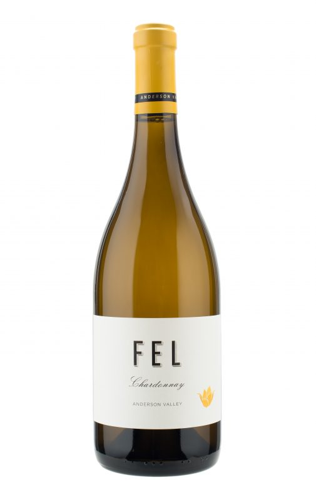
The first wine comes from FEL, an adjunct winery owned by some of my favorite vintners at Cliff Lede. They established FEL to showcase a series of vineyard-specific wines made using some of the finest grapes harvested from the Sonoma Coast and Anderson Valley. The name FEL comes from the initials of Cliff’s mother, Florence Elsie Lede. She was a home winemaker and inspired Cliff toward his life’s passion.
FEL sent me a bottle of their Anderson Valley Chardonnay to taste, and I was quite pleased to discover a wine that really highlights the fruit of the valley rather than the oak trees that made the barrels it was aged in. Currently in a 2016 release, FEL Anderson Valley Chard retails in the mid-$30 range, which sits at the high end of most of my white wine purchases but is in line with some of my other favorites from Grgich Hills and Cakebread.
Thanks to the use of neutral oak instead of new wood, the barrels take the edge off of the acidic fruit without introducing too many buttery notes. The aromas are floral and fruity with strong elements of green apple, pear and lemon. I paired the bottle with a simple salmon dish that I cooked sous-vide at 120 degrees for about a half hour and then hard seared in a cast iron skillet for a minute per side. Finished with a little bit of lemon juice and zest, it paired really nicely with the wine, if I do say so myself. And I do.
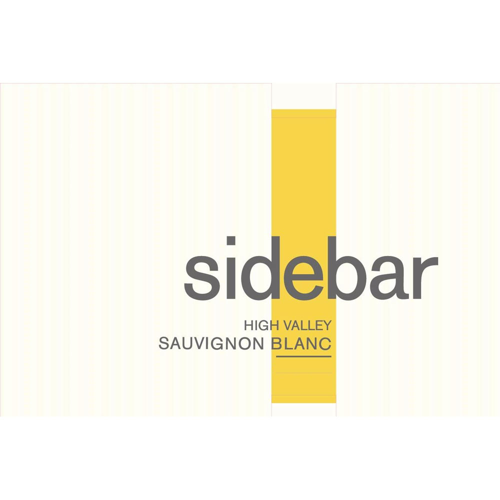
Even lighter and more fruit-forward are two Sauvignon Blancs from Sidebar — I sampled the 2016 Sidebar High Valley ($22) and the 2016 Sidebar Ritchie Vineyard ($34). Sidebar is a project of David Ramey, best known for his eponymous winery Ramey Wine Cellars. A new generation of Rameys has joined the business at Sidebar with the addition of Claire and Alan to the team. This family affair concentrates on young bright wines that are designed to be drunk, not cellared. So that’s exactly what I did.
The High Valley Sauvignon Blanc epitomizes the crisp character that Sidebar is hunting for in their wines. Aged in a combination of neutral oak and stainless steel, this wine is all about the acidity of the grapes. Strong notes of grapefruit and lime make for a wine that would be a fine base to a spritzer or cocktail or served on its own as a cocktail hour wine with some fresh chilled seafood canapés like oysters or shrimp cocktail.
High Valley’s more refined brother from Ritchie Vineyard comes from a noted vineyard in the Russian River Valley. Rather than being split between oak and stainless, the vast majority of this wine is fermented in large concrete eggs. This is an ancient technique in France but is becoming more popular in America. The extra surface area of the concrete tanks creates better circulation and temperature control during fermentation, and this contributes to a more lush mouth feel.
The Ritchie Valley Sauvignon Blanc exhibits those characteristics along with a gentle minerality from the volcanic soil of the Russian River Valley. Pair it with the same foods you would consider for a White Bordeaux, grilled chicken with herbs or fish served with a beurre blanc. While this wine is not quite as crisp as the High Valley or say, a New Zealand Sauv Blanc from the Marlborough region, it still has enough acid to hold up to a buttery sauce.
Here’s hoping we get plenty more opportunities to cook and eat outdoors over the next few months, because all three of these wines beg to be served on a patio filled with friends and food.



