



As I’ve written before in this space, I don’t really care too much where the actual chemical reaction takes place when a distillery is making whiskey. As long as producers are competent, you can convert grain, water and yeast to make alcohol in Kentucky, Tennessee, Indiana or your own garage. (Not legally, don’t do that). But the magic comes after that step is over.
What sort of barrels do you age the whiskey in? How long do you let it rest in oak? Which barrels do you select at what age? How do you blend them together to create a new batch? Do you do anything to the whiskey after it initially leaves the barrel? These are the questions that determine whether a whiskey will ultimately be something special.
Chicken Cock Whiskey and Blue Note are both spirits companies that source barrels of whiskey from other distributors to create new products. Not only do they employ talented tasters and blenders to combine their stores into something better than the original parts, but they also occasionally take advantage of a process called cask finishing where they take the original aged spirits and give them some extra time in different barrels to add new character to the whiskey.
Both of these distilleries have recently released new premium whiskeys in time for the holiday giving season, and if there’s a bourbon lover on your list who is worth a $200-plus bottle, I strongly recommend you seek these out.
The first offering comes from Chicken Cock with their Whiskey Red Stave Kentucky Straight Bourbon Whiskey. Chicken Cock takes their standard mash bill of 70 percent corn, 21 percent rye and 9 percent malted barley from Bardstown Distilling Co. and allows it to age at least five years in the original oak barrels. After the bourbon has matured, they transfer it into used casks that have previously held petite syrah from California winery J. Wilkes to create a brand-new product.
The result is spectacular! The inky petite syrah adds a purplish hue to the amber whiskey in the bottle, and I feel that they must have left a little bit of that wine in the barrels, because its contribution to the final product is considerable.
In addition to color, the time in wine casks contributes notes of dark fruit and cherry to the vanilla and caramel of the original whiskey, like a dessert in a glass. The mouthfeel was weighty, coating the tongue with an initial attack of spicy fruit and chocolate that evolves into a smooth rush of creamy vanilla over the course of a long finish that is reminiscent of a fine port. Bottled at 102 proof, Red Stave exhibits very little burn and is a fantastic sipping whiskey that should be a fine ending to a holiday dinner or could even pair with a turkey and cranberry sauce sandwich while watching a football game.

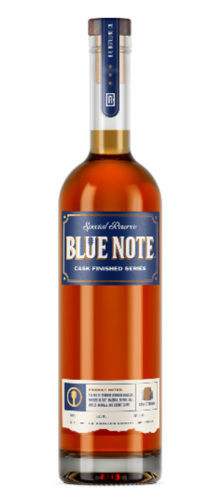
The second excellent cask-finished whiskey to come across my review shelf at home comes from Blue Note, part of Memphis-based B.R. Distilling Co. Never afraid of a challenge, the blenders at Blue Note have sourced seven different whiskeys at different ages with different mash bills from different distilleries in Kentucky and Tennessee to combine into their new Blue Note Special Reserve.
These whiskeys range in age from four years to 19, and six of them were finished in different types of secondary barrels including cognac, madeira, sherry, port and vino de naranja. One of the whiskeys in the blend didn’t receive any secondary aging at all, and another went back into a used American oak whiskey barrel.
But to paraphrase an old movie, just because they could, does that mean they should have? The answer is a resounding yes! I can only imagine the complexities involved in coming up with a final blend using this many different components — it's like trying to make chili with every spice in your cabinet — but they have pulled it off quite successfully.
B.R. could have taken their inventory of these interesting different whiskeys and released them as single barrel products, and I’m sure collectors would have beaten down the door to add them to their collections. Instead, they took the rough road to come up with something truly unique: a lovely dark amber whiskey that manages to maintain balance despite its complexity.
I could have been happy just sniffing this whiskey, thanks to a nose that changed every time I came back to the glass. Is that cinnamon? Now orange? A hint of pepper? It was like an Everlasting Gobstopper of aromas.
It's bottled at a cask strength of 112.5 proof, so you’d probably want to avoid sticking your nose too deep in the glass, lest your singe off a few nostril hairs. It also benefits from a splash of water or a small ice cube to open up the esters in the many different whiskeys involved.
The oldest two of the seven whiskeys make up more than a quarter of the blend, and the slight astringence from more than a decade in oak did contribute some tannins to the first sip, but it quickly mellowed into more of a tobacco and leather character, certainly befitting the age of this whiskey. The more desirable characteristics of oak do manage to come through, despite all the wild brandy notes that appear over the course of the long finish. I’m a big fan of madeira, and I was pleased to discover the baked caramel flavors of those casks made it into the mix prominently.
The largest component of the blend came from port barrels, and the dark fruits of the concentrated wine eventually took over the finish, and I can’t say that I minded at all. It was the kind of whiskey that invited another sip immediately, but I found it better to wait until starting the flavor ride all over again. It’s rare that a snifter lasts an hour in my house, but I wanted to explore this whiskey slowly to discover all the complexity inside, and I was rewarded for my patience.
They only made 2,100 bottles of this fascinating whiskey, so if you see one, grab it!



