

The curtain has fallen on the final edition of the Sundance Film festival in Park City, Utah. Next year, the long-running fest will start anew in Boulder, Colo.
The final Sundance in Utah didn't come with all the heartwarming crowd-pleasers we have come to expect from the festival — instead, its was marked by dark reflections on the times in which we live. Sundance is still a platform for new voices in both dramatic feature films and documentaries. Here is a small selection of standout films — four dramas and five documentaries — I saw as part of this year's Sundance programming.
Dramas
Burn
After years of physical and mental abuse, Ju-ju (Nana Mori) runs away from home. She joins a community of other Japanese runaway teens in Tokyo's Kabukicho district, enduring a new set of struggles. Using the testimonials of the real “Tōyoko kids,” director Makoto Nagahisa explores the brutal situation of society’s discarded, disadvantaged children in Japan’s highly secular society. It deals with the heavy realities this vulnerable community faces, including drug abuse and child sex trafficking, attempting to change the narrative from “troublemakers” to “children in need.”
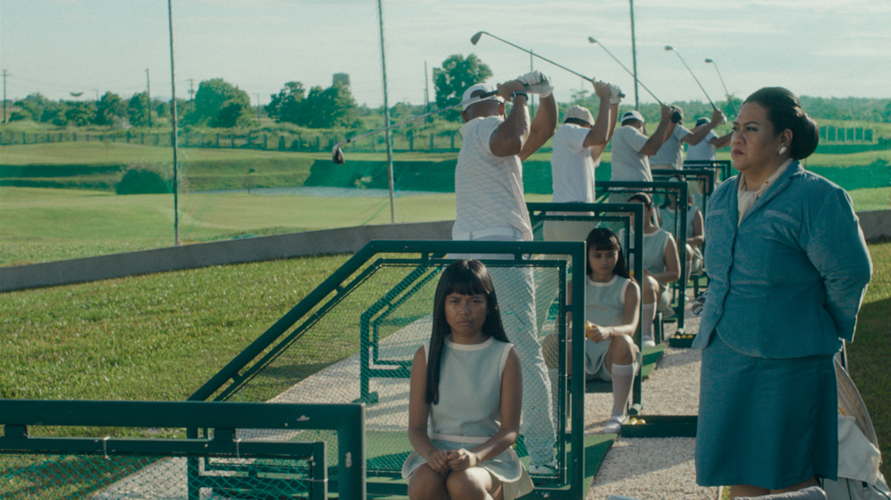
Filipiñana
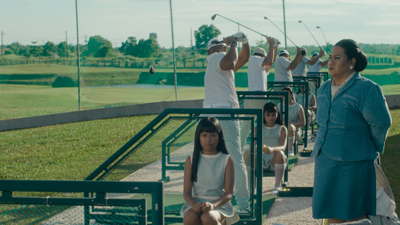
Taking place almost entirely on a golf course, director Rafael Manuel's Filipiñana follows Isabel (Jorrybell Agoto), who works as a tee girl and whose interest in the country club’s director takes a dark turn. This film draws on the historical colonial exploitation of the Philippines, and how this history connects to the exploits of the modern tourism model. Its slow-burn journey focuses on visual storytelling through cinematography, editing and costume design. It's a bold and beautiful statement, executive-produced by acclaimed Chinese director Jia Zhangke, who here helps shape a strong young voice.

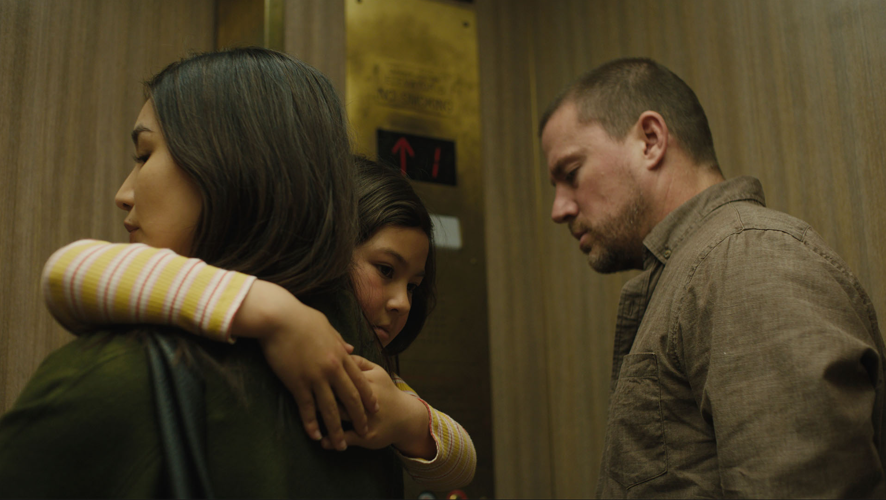
Josephine
Josephine
This is the big one, a winner of both the audience and jury awards — an honor matched in recent years by Coda, Minari and Whiplash. Eight-year-old Josephine (Mason Reeves) witnesses a rape and is forced to cope with male aggression — all before she's able to truly understand any of it. To make matters worse, Josephine is the only witness, and the only hope for justice is if she testifies in court. Featuring career-best performances from Gemma Chan and Channing Tatum, Josephine will be talked about all year.
Take Me Home
Thirty-eight-year-old Anna (played by director Liz Sargent's sister Anna Sargent) has a cognitive disability and lives with her aging parents. When her mother passes and her father shows signs of dementia, Anna's sister Emily (Ali Ahn) comes home to help find a solution for their living situation. It's a story that advocates for better housing options for those in need by showing the reality that many special-needs people are faced with in a state like Florida. Just as much as the film itself, its methodology is standout — a loose screenplay allowing for improv allowed the lead to give a performance that is completely her own.

American Pachuco: The Legend of Luis Valdez
Documentaries
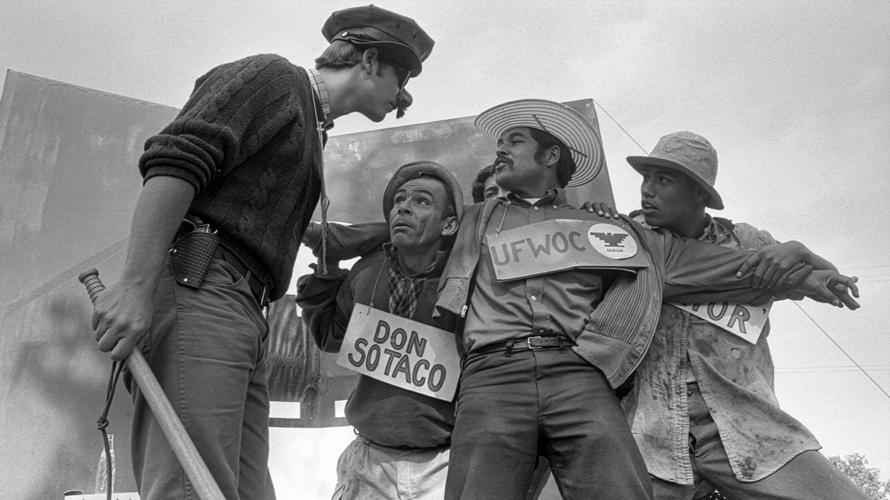
American Pachuco: The Legend of Luis Valdez
This year’s winner of the Festival Favorite Award focuses on director and playwright Luis Valdez, creator of La Bamba (1987), as well as the greater Pachuco and Chicano subcultural movements in the United States. Director David Alvarado's American Pachuco won the hearts of Sundance audiences with its story of resilience, being true to oneself and where you come from, and speaking on behalf of people who aren’t represented enough. This film is about the struggle to be seen and make media for a marginalized community.
Everybody to Kenmure Street
When Glasgow residents saw their neighbors being taken away by immigration enforcement, the neighborhood came out to block the entire street, with bodies trapping the vans from leaving until the release of a neighbor. Felipe Bustos Sierra's film is a testament to the power of a grassroots peaceful protest movement and the power people have to take control when the government that is supposed to be representing them steps out of line.

Nuisance Bear
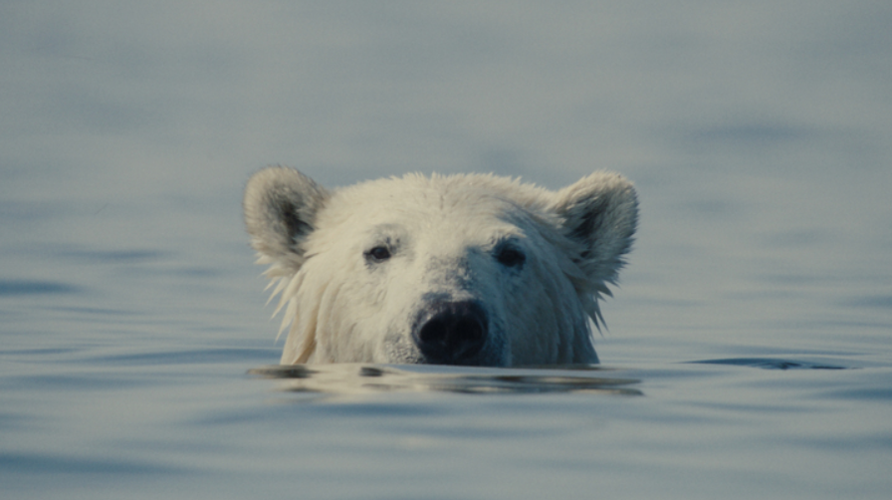
Nuisance Bear
A tale of two Canadian cities — the Anglo city of Churchill, Manitoba, and the Inuit city of Arviat, Nunavut. Both have ways of dealing with the polar bear population, from the nonlethal tactics to the ceremonial hunting. Eventually, the lines begin to blur as Gabriela Osio Vanden and Jack Weisman's story of the bears starts to mimic the story of the Inuit, unveiling the scars of Canadian colonialism.
Who Killed Alex Odeh? / American Doctor
OK, I'm cheating on this a bit — but these two docs feel like two sides of the same larger story. Directors Jason Osder and William Lafi Youmans' Who Killed Alex Odeh? is an investigation into the assassination of Arab American activist Alex Odeh. The film continuously pulls back layers and dives into the Jewish Defense League and its ideology of Kahanism, and how that ideology pushed the Israeli government to a far-right position. Poh Si Teng's American Doctor depicts the direct consequence of those Kahanist ideals. We are taken to Gaza, where three American doctors — one Jewish, one Muslim and one Zoroastrian — all come together to save lives. It doesn’t sugarcoat the reality or censor its footage as it forces you to stare into the carnage and demands an end to genocide. Both are phenomenal pieces of journalism in their own right, but together you see the cause and the effect of a bigger picture.



Post a comment as anonymous
Report
Watch this discussion.
(0) comments
Welcome to the discussion.
Log In
Welcome to the discussion.
Keep it clean. Please avoid obscene, vulgar, lewd, racist or otherwise abusive language. Comments featuring hate speech or threatening or violent content will not be tolerated.
PLEASE TURN OFF YOUR CAPS LOCK.
Be truthful. Don't knowingly lie or mislead.
Be proactive. Use the “report” link on any comment that violates our comment policy.
Share with us. We'd love to hear your feedback.