

The cinematic comeback of the Cozy Mystery is one of those events that nobody really saw coming, but it’s a development that has certainly yielded quite a few pleasures for anyone who enjoys strong narrative foundations. The Kenneth Branagh-directed (and Branagh-starring) 2017 film Murder on the Orient Express was an unexpected hit that brought in two, possibly three, new generations of moviegoers. And then when Knives Out happened in 2019 — bowling over audiences, critics and especially people convinced that residual Last Jedi hatred would somehow derail all future Rian Johnson endeavors — all bets were off. So now, after several delays (due both to the ongoing COVID-19 pandemic and scandals involving alleged sexual assault by Armie Hammer and the outspoken vaccine skepticism of Letitia Wright), we’re finally getting a chance to experience multi-Branagh’s take on Death on the Nile.
The 1978 adaptation of the 1937 Agatha Christie novel is a perennial family favorite, as much a part of Thanksgiving traditions as baking cookies and sipping white Russians. So it is with a great deal of relief that I can tell you that this new take on the material is pretty good — true to the structure of Christie’s plot, but also evolved in a way that one would hope for when working with a text written by a bestselling author with some deeply racist tendencies. To put it this way, Christie would probably be horrified by some of the shifts in character that screenwriter Michael Green has added, but these shifts make the 2022 Death on the Nile more interesting on an interpersonal level than the original novel or the ’78 film.
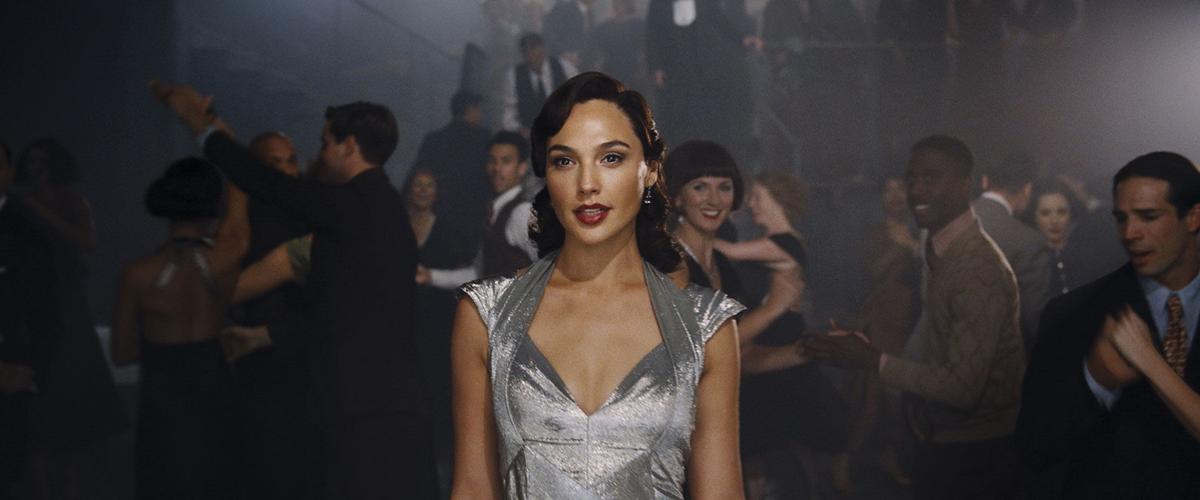
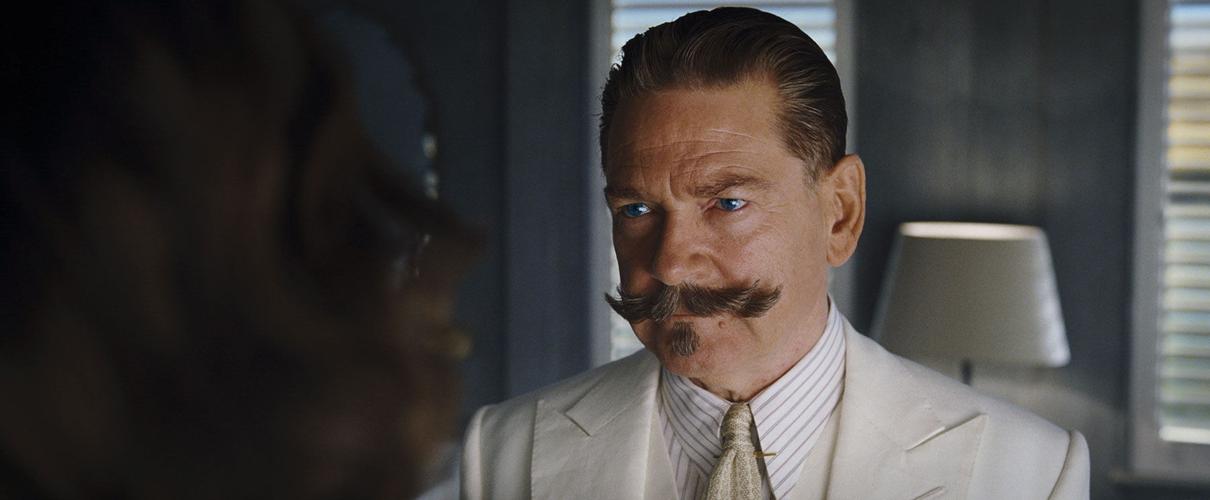
When things start off on the Belgian front during World War I with a digitally de-aged detective Hercule Poirot, we know a different tack is being taken. Before we (and the cast) make it to the titular cradle of civilization, we’ve slipped through several years and relationships, as well as a sultry musical performance — with sensual choreography and heaps of drama — from Salome Otterbourne (played here by Sophie Okonedo as an exceptional blues singer rather than previous incarnations’ libelous romance novelist). Things still ultimately get going when Poirot finds himself among a wedding party on the luxury steamship Karnak, celebrating the marriage between heiress Linnett (Gal Gadot) and gadabout Simon (Armie Hammer) — a rather sudden development considering Simon’s previous engagement to Linnett’s longtime friend Jackie (Emma Mackey). The thing is, no matter where they all go, Jackie is there, and she’s working through some serious emotions.

This being an Agatha Christie adaptation, murder most foul is lurking around every corner, and star power isn’t necessarily an insulation against the Grim Reaper, who is of course also along for the trek down the Nile. Granted, some might say this kind of mystery lends itself to the uncertainty of attending public events, but the key to this style of narrative is that even though death is never escapable, the vibe is nurturing and the audience still feels the seductive pull of exotic spaces, luxury living and the delirious joy of the rich suffering greatly. Of all the cast, Annette Bening is having the most fun; she’s also capturing the tone of the ’78 adaptation perfectly — you could slip her into that film, or even the vicious 1973 classic The Last of Sheila, and the mesh would be unnoticeable. Plus, the reunion of Dawn French and Jennifer Saunders, while subtler than you might hope for, yields remarkable dividends.
As for Hammer’s presence in the film, you might not be able to quite get past all the allegations that are readily accessible on the internet. It’s sad and horrifying, and it reinforces a possibility glossed over with the 2017 Murder, which starred alleged abuser Johnny Depp. Perhaps the key to future Christie adaptations is to cast as many problematic actors as possible, intensifying audience responses accordingly.
The extensive CGI and green-screen shots diminish the film’s charms. Part of what makes the Cozy Mystery such an enduring genre are its tactile qualities — not just the locations, but the fabrics, furniture and outfits. That worn-in feeling, as well as a sense of history, evades this film’s grasp. The Karnak set is impressive, both in several single-take sequences and in some strategic uses of refracted glass and window arrangements, and it allows for a bit more actual heft than Murder’s train. But as many decades as the film industry is into green-screen photography, it’s staggering that they still never light to blend. Like the great philosopher Beyoncé once said, “Baby, I can see your halo.”
Though Branagh the star might disagree, this type of film is never about the cast. That’s not to say that a good performance can’t flourish herein — they certainly can. But the appeal is the structure of the story. The whodunit is a continued fount of inspiration, and Death on the Nile — plucked, tucked and tweaked for what modern audiences want from a post-WWI/pre-WWII drama — delivers what good mysteries do, even 85 years after its first publication.



