



Monkey Man
In Hindu mythology, Hanuman is known as a magical deity who is able to conquer and defeat evil spirits. But unlike many of his fellow Hindu deities, he is considered the ideal worshipper — rather than a subject of worship.
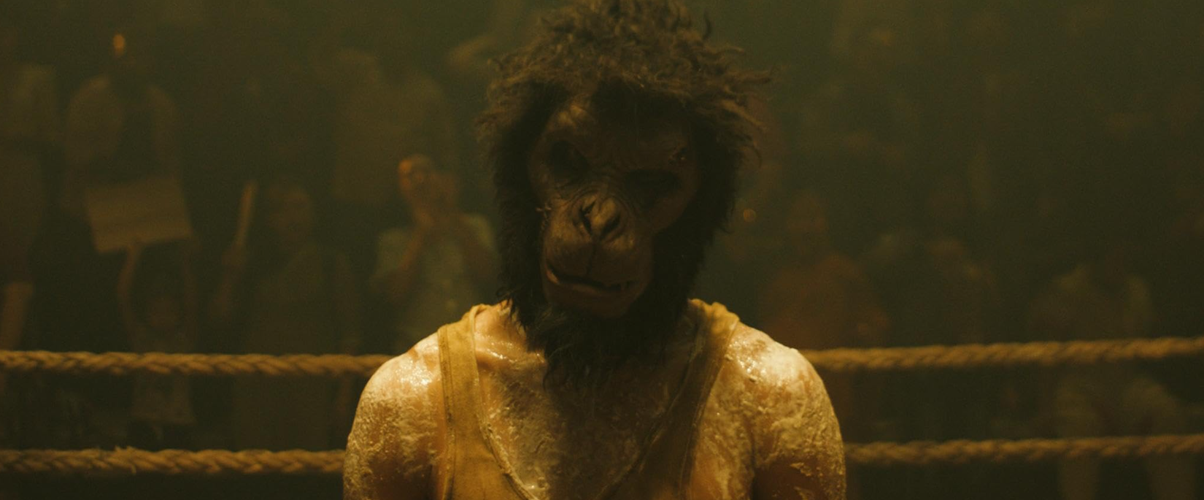
In Monkey Man — written by, directed by and starring Dev Patel in a hell of a genre shift for the actor — Hanuman is no longer a myth. Inspired by the stories his mother used to tell him as a child, Patel’s nameless lead takes on the legend, using the moniker and wearing a monkey mask while fighting in an underground ring in the fictional Indian city of Yatana.
But he has a much bigger goal: to avenge his mother’s death and take down her killer, chief of police Rana Singh, and religious leader Baba Shakti, who has been playing guru to the corrupt Indian government. It isn’t only the burgeoning Monkey Man and his mother who have suffered at their hands; so too have the country’s poor and displaced.
Thus begins a classic hero’s journey: Monkey Man finds a way to get closer to Rana by working at a club that he often visits and that provides drugs and sex workers to the city’s rich and nasty. After a fumbled attempt at shooting Rana goes awry, the film reaches a menacing tempo that never once ceases — and is only amplified by the deliciously anthemic soundtrack that combines everything from R&B and Bollywood to South Asian rap and metal.
A longtime student of revenge and action cinema, Patel isn't shy with the references: the works of Bruce Lee and Quentin Tarantino, and a barrage of Korean classics, from Oldboy to The Handmaiden and The Chaser. In other words, Monkey Man may just feature the stunt sequences of the year, not to mention unparalleled knife skills. Patel put the work in and it shows. (The actor has said he broke his hand and two toes and tore his shoulder during filming, and pushed through much of the pain to finish the project. A hero indeed.)
The most obvious comparison, however, is Keanu Reeves’ relentless assassin John Wick. But make no mistake: Patel’s hero is very much his own. While Wick is single-minded and out-of-this-world, Monkey Man is anxious, reluctant and feels nerve-rackingly fallible at all times. Along with his being the rare South Asian action hero on a big Western screen, this makes him relatable. Unlike Wick, Monkey Man is fighting not only for a loved one, but for the people.
But that's where things get a little tricky. At the heart of Monkey Man is a much deeper story, one true to life: a portrait of a people who have long been victimized by their own government. Interspersed amid scenes of Yatana citizens protesting is real-life footage of Indian protests against the country’s current government, which is headed by Prime Minister Narendra Modi and the BJP (Bharatiya Janata Party), and their anti-Muslim rhetoric and relentless push toward Hindu supremacy.
Few regimes have censored any and all dissent like Modi’s, so Patel’s efforts to give this narrative life are heroic. But it’s a little too much for one film to tackle, and maybe even hypocritical for one as intensely violent and gory as this one.

Monkey Man
Things only get thornier in the film’s use of India’s marginalized hijra community (transgender folks or, as Indian society might say, “third gender”), who come to function as Monkey Man’s collective savior and tribe. While it’s a joy to see such representation, there are shades here of the magical queer trope. And that only comes off worse when, as the credits roll, you realize the film’s most prominent female character Sita (played by Made in Heaven’s Sobhita Dhulipala) ends up with, perhaps, a paragraph of lines as the film’s "hooker with a heart of gold."
Still, just like the people of Yatana, the South Asian community has waited for a hero like Monkey Man. The film may not be perfect, but with rumors of a sequel circulating, it's a remarkable first feature for Patel. His hope with Monkey Man was to tell a tale of how unifying — rather than destructive — faith can be. By its conclusion, the film suggests a moving sentiment: We choose our own gods, and whoever you decide to live for is the god you should fight for. For Monkey Man, that seems to be his mother, a light that went out far too soon. For India, that’s him, the democratic hero they’ve waited for — even if that isn’t exactly what he signed up for.
Besides, there is truly no greater satisfaction than seeing a fascist getting the shit beaten out of him. And that? Well, that’s timeless.



Post a comment as anonymous
Report
Watch this discussion.
(0) comments
Welcome to the discussion.
Log In
Welcome to the discussion.
Keep it clean. Please avoid obscene, vulgar, lewd, racist or otherwise abusive language. Comments featuring hate speech or threatening or violent content will not be tolerated.
PLEASE TURN OFF YOUR CAPS LOCK.
Be truthful. Don't knowingly lie or mislead.
Be proactive. Use the “report” link on any comment that violates our comment policy.
Share with us. We'd love to hear your feedback.