


Joe Nolan is a 21st-century Renaissance man. He’s a poet, singer-songwriter and intermedia artist — as well as one of the Scene’s most longstanding cultural critics. In his new column "Critic/Ally," he’ll muse about art, culture and whatever else comes across his periphery. Strap in, fans of the strange and obscure — the Scene’s about to get a whole lot weirder.
This past Sunday, my lazy routine of news reading and Twitter scrolling was upset by notices that Nick Tosches had died. Tosches was one of America’s greatest writers and a pioneering rock music journalist.
Tosches was one of the “Noise Boys” — along with fellow critics Lester Bangs and Richard Meltzer — who helped to create a brief but shimmering golden age of rock music journalism in the 1960s at then-shoestring publications like Creem and Rolling Stone. Tosches’ review of Black Sabbath’s Paranoid ignored the music in favor of a rant about Satanism and Charles Manson, and Meltzer and Tosches were both fired by Rolling Stone for filing reviews under each other’s names.
I was turned on to Tosches by local painter and book hunter, Richard Feaster. Tosches became a book author after getting canned by Rolling Stone, and he quickly made a reputation for informing popular culture with deep historical detailing, and an irresistible writing voice that was as profane as it was poetic. Tosches was also a novelist, a poet, and talented performer as a reader. Tosches’ best works give us high writing about low living, and some of his most profound titles will be of special interest to Nashville music heads who might have missed the Tosches train.
Here’s a short list of suggested readings to get you started:

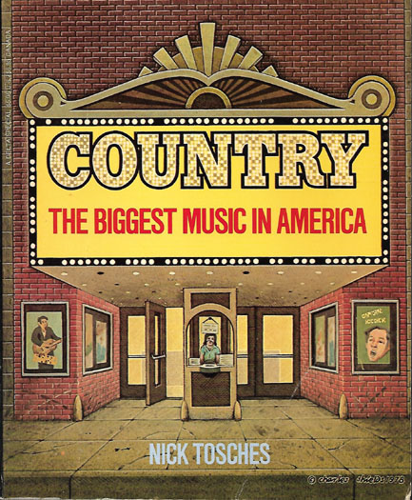
Country: The Biggest Music in America (1977) — This was Tosches’ first book, and the first Tosches book I read. Country is a non-linear deep dive into the history of country music that highlights the pivotal roles played by unsung hillbilly and blues music innovators. Country gives the music’s fans what they’re looking for, but in a way they’d never expect and won’t soon forget.
The Last Opium Den (2000) — If you have a section of bookshelf dedicated to drug culture tomes — who doesn’t? — you’ll want to make room for The Last Opium Den next to Storming Heaven and Orgies of the Hemp Eaters. This fascinating journey across the world and through centuries of history is one part grail quest, one part drug literature lesson, and one part inquiry into the murky waters where medicine meets addiction. This book began as an article in Vanity Fair where Tosches was an editor. His 21st-century search for an authentic opium den was partly inspired by Tosches’ struggles with diabetes, and this book is only more fascinating is this era of opioid crisis.
The Devil and Sonny Liston (2000) – If you have a section of bookshelf dedicated to the sport of boxing — who doesn’t? — you’ll want to make room for The Devil and Sonny Liston next to The Fight, The Sweet Science and On Boxing. With this raw, rigorous portrait of “The Big Bear,” Tosches gives us one of the great boxing biographies in this sympathetic picturing of Muhammad Ali’s first great opponent. This deeply human account of a boxing underworld riddled with crime, gambling, prison and Sonny’s own mysterious death could only be written by Tosches.

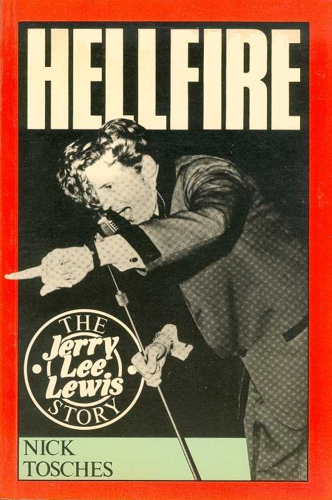
Hellfire: The Jerry Lee Lewis Story (1982) — Tosches’ old employer Rolling Stone called this “the best rock and roll biography ever written,” and it’s a hard point to argue. Tosches was never closer to Faulkner than he was in relating the tale of cousins Jerry Lee Lewis and Jimmy Swaggart, like a deep South Cain and Abel, one bound for hell and one pledged — for awhile, anyway — to heaven. The Killer’s violent outbursts, amphetamine paranoia, sexual deviancy and genius musicianship will never be related with more red blood and combustion than they are here. Goodness gracious, great balls of fire.
I never got to see the man read live, but here’s some sounds from Fuck the Living Fuck the Dead. This 2004 CD was recorded live at the Centre Pompidou in 2001, and it features a collaboration with a crooning Patti Smith on the last track, “Wild Leaves.”



