
Angela Tucker
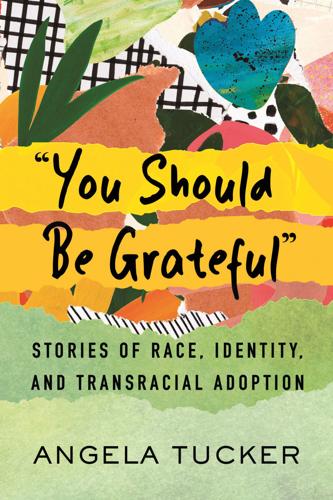
The title of Angela Tucker’s You Should Be Grateful echoes the misguided comments people sometimes make to adoptees, especially the ones who admit they have mixed emotions about being adopted. Validating the complex, sometimes contradictory feelings of adoptees is a mission for Tucker — one she has pursued through work as a consultant and mentor, as well as in films, a podcast and now this book.
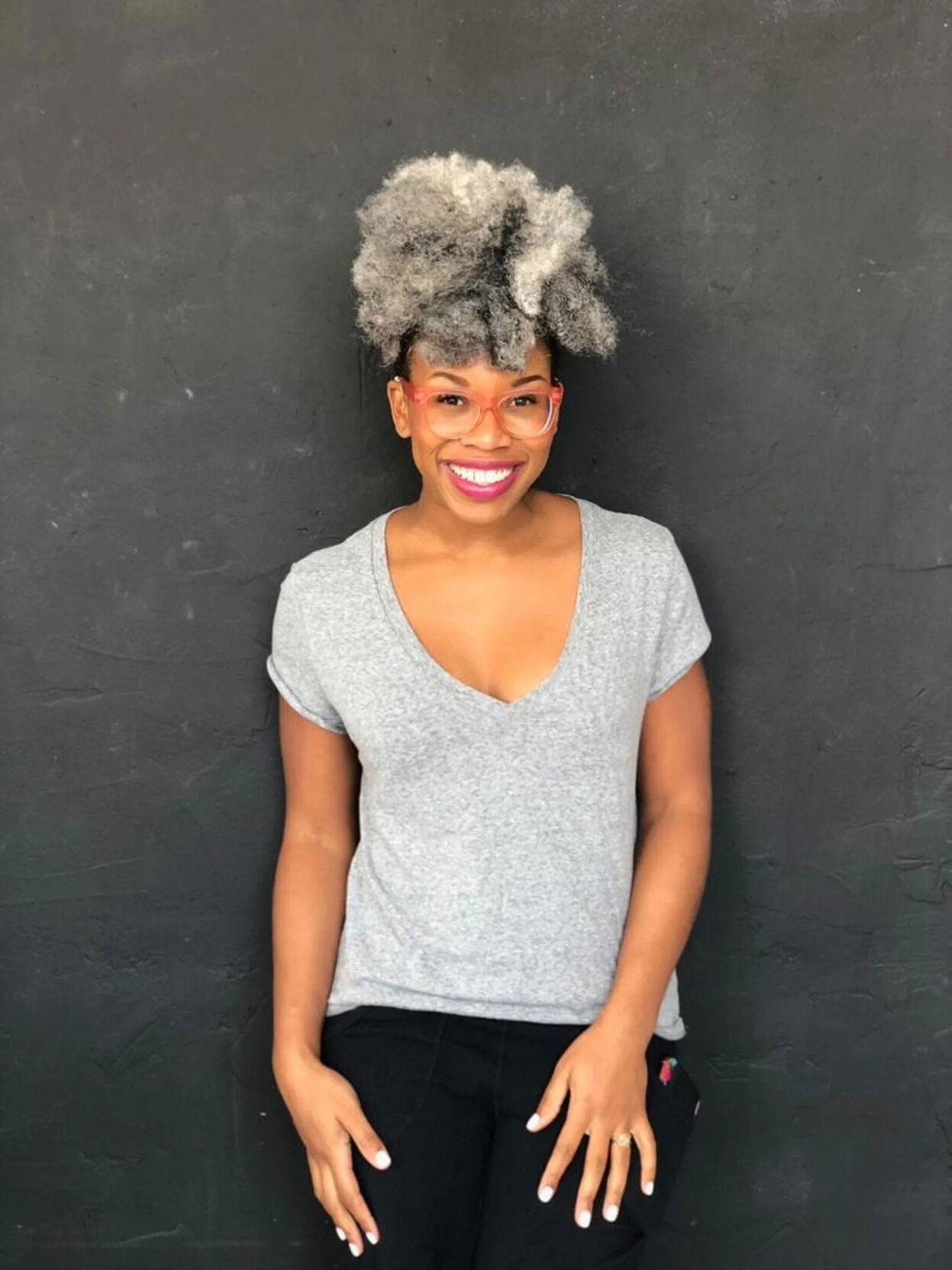
Tucker has a particular interest in the experiences of transracial adoptees because she’s one herself. Born to a Black mother in Chattanooga in 1985, she was placed in foster care and eventually adopted by a white couple who raised her — along with seven siblings, six of them also adopted — in Bellingham, Wash.
Although Tucker is quick to acknowledge the love and support of her adoptive parents, she’s keenly aware that “being honest about adoption is a tricky minefield to navigate.” By sharing her own story and the stories of other adoptees, she hopes to make the path toward openness and honesty a little easier to follow. Tucker answered questions by email.
If there’s a single takeaway from the book, it seems to be that feelings around adoption are inevitably complicated, and it’s almost impossible to discuss the subject without potentially hurting someone. Why is it so important to talk about it anyway?
When we avoid adoption-related conversations because they are complex, we are essentially trying to stay safe and well-liked. Unfortunately, avoidance can also equate to harming someone. The reason the conversation is complex is because it forces us to think about the way we care for certain people and not others. It forces us to think about the reasons we’ve decided some people are unfit and others aren’t.
Avoiding topics of classism, racism and entitlement means we are doomed to continue practices that are harmful to some. While many adoptees have adjusted to their adopted life, 1 in 4 adoptees who seek therapy is contemplating taking their own life. The only way we can work to change this statistic is by talking about why this is happening. We are capable of having complex conversations with compassion, boundaries and empathy. I know we are.

There was so much vulnerability and intense feeling in your quest to find and get to know your birth parents. Was it hard for you to be so open in the book about the difficult emotions involved?
I learned about the power of vulnerability after the documentary Closure, which featured the search for my biological parents, came out. The resounding feedback from adoptees was that they felt it gave them permission to search for their biological parents.
The unspoken rule has long been that the only adoptees who search for their birth parents are those who had terrible adoptive parents. My film countered that narrative by showing my adoptive parents supporting me and becoming detectives right alongside me. Given that experience, I felt hopeful that my honesty in the book could provide similar relief or, better yet, provide language for experiences that I know many other adoptees feel.
I was a little surprised to learn from the book that many U.S. adoptees still have no legal right to see their original, unredacted birth certificates. Are there policy changes around adoption you’d like to see happen at the national level?
It’s quite surprising, huh? Adoptees United is an organization working on this issue. The Adoptee Rights Law Center website shows a map of the country and highlights what current bills are moving through the House or Senate [of each state]. Tennessee is a “compromised” state, which basically means that maybe an adoptee can apply for their original birth certificate, but maybe not. An adoptee would not be able to access the document if a birth parent has vetoed it or an adoptive parent won’t consent. And if it is provided to an adoptee, it could be heavily redacted.
You Should Be Grateful is focused primarily on centering the experiences of adoptees, especially in transracial adoptions, but you advocate strongly for birth mothers, too. What can we do to care for them better, both in terms of cultural awareness and social policy?
A language shift is a good place to start. Some birth mothers have advocated for being called first mothers. This is not a unanimous request, but even bringing up the conversation with individuals whose children have been adopted communicates that they have a place in their child’s life.
Policy-wise, we shouldn’t allow any adoption to be closed. I worked with a team to create the Inclusive Family Support Model, which means every adoption can be open. Adoptive parents can create an open relationship with a biological parent who is deceased or unsafe because they’re sharing all of the facts that they know about the parent. Adoptees can handle knowing the truth.
To read an uncut version of this interview — and more local book coverage — please visit Chapter16.org, an online publication of Humanities Tennessee.





Post a comment as anonymous
Report
Watch this discussion.
(0) comments
Welcome to the discussion.
Log In
Welcome to the discussion.
Keep it clean. Please avoid obscene, vulgar, lewd, racist or otherwise abusive language. Comments featuring hate speech or threatening or violent content will not be tolerated.
PLEASE TURN OFF YOUR CAPS LOCK.
Be truthful. Don't knowingly lie or mislead.
Be proactive. Use the “report” link on any comment that violates our comment policy.
Share with us. We'd love to hear your feedback.